
Trade Mark Searches: Why It’s Worth Looking Before You Leap.
Your ideas deserve to grow and that means making sure your brand stands on solid ground.
I’ve seen it so many times: a business with a brilliant name, beautiful branding and great momentum… then suddenly, someone else pops up using the same (or confusingly similar) name. It’s frustrating, expensive, and completely avoidable.
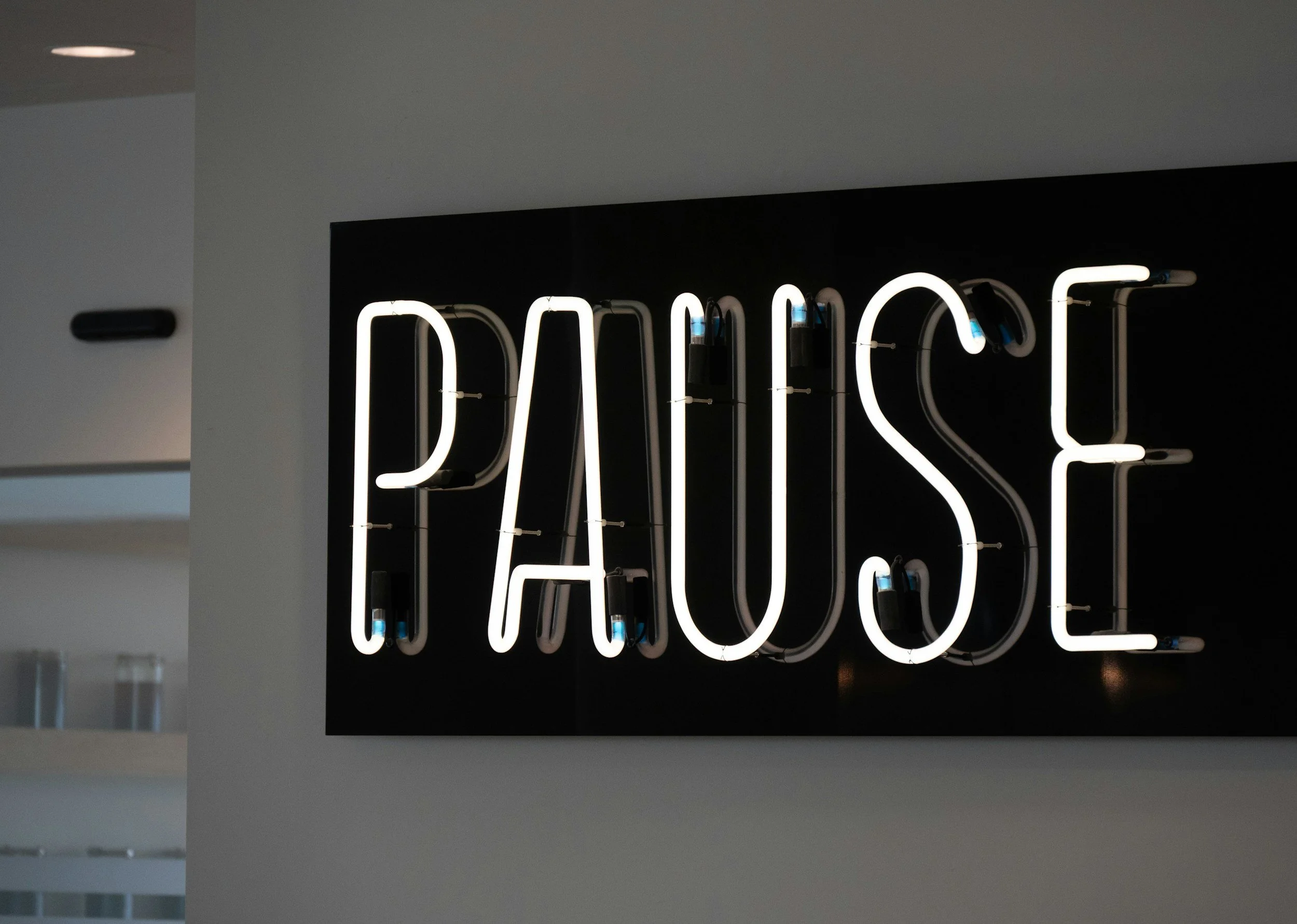
That’s why here at The Little iP Company I always say: pause before you press go. Before you print business cards, launch your website or post that first Instagram update, take the time to do a trade mark search. It’s one of the smartest things you can do for your brand.
What is a trade mark search and why does it matter?
Think of a trade mark search as a background check for your brand. It helps you see whether your chosen name, logo or tagline is already registered or whether someone else is building a brand that might overlap, confuse, or clash with yours.
Skipping this step can mean:
• being asked to stop using your name
• rebranding after you’ve invested time and money
• confusion and damage to your reputation
It’s far easier (and cheaper) to check now than to deal with the fallout later.
My go-to DIY checks (yes, you can start this yourself)
If you’re just getting started, here are some great first steps:
Check the UK register via the UK Intellectual Property Office: search-for-trademark.service.gov.uk
Check the EUIPO (European Union Intellectual Property Office) if you might expand into Europe
Use WIPO’s global database for wider international coverage
For the US: check the USPTO (United States Patent and Trademark Office)
If you have a logo, try tools like TMview that allow image searches
And don’t forget to:
Google your name (and close variations)
Do a reserve image search of your logo – you can use Google, Bing and other search engines offer this.
Check domains, Companies House, App Stores and social media handles
See whether anyone is already using a similar name in your space
These checks help you spot obvious red flags before you get too attached.

What to watch out for
It’s tempting to think, “If it’s not identical, it’s fine.” But in trade mark land, it’s rarely that simple. Ask yourself:
• Do the names look or sound similar?
• Are they used for similar goods or services?
• Could customers confuse one for the other?
If you’re unsure, take it seriously.
Tip: Similarity isn’t just about spelling. Think look, sound, meaning and how it’s used. Even small differences can still cause confusion.
When to bring in the professionals (that’s where we step in)
Your DIY checks are a brilliant start. But for true peace of mind, a professional clearance search is worth it.
Here’s what it covers that DIY can’t:
• A full check across all relevant trade mark classes
• Identifying marks registered in other countries or sectors
• Assessing how your name or logo works in context
• Advice on risk levels and whether to tweak or proceed
• A strategy for registration and long-term protection
We don’t just find what’s out there, we help you understand what it means for your brand.
Think of your DIY search as holding a torch, and a professional search as turning on the headlights, so you can see the road ahead clearly.
My final (friendly) piece of advice
Start with your own checks it’s smart and proactive. But before you invest in packaging, marketing or signage, get expert input.
It’ll give you confidence that:
• your brand is safe to use
• you’re building on solid foundations
• you’re not setting yourself up for problems later
“It’s much easier (and cheaper!) to clear a name now than to change it later.”
So take a breath, do your searches, and then let us help make sure your brand is truly yours to own and grow.
Good luck with your searching and when you are ready, book in a call using the Contact us button below, so we can discuss how we can build on that search to give your piece of mind.
Speak soon,
Gemma :)